
A New Food Security Project in Mauritania… Between Funding Promises and Ground Realities The Food Security
Commission in
Nouakchott, in cooperation with Italian development aid through the Embassy of the Republic of Italy in Mauritania, has announced the launch of a new project titled the Food Resilience Project in Central and Eastern Mauritania (PRACEM). The project is funded with approximately €3 million, equivalent to around 1.3 billion old ouguiyas. This comes alongside the announcement of the completion of a previous project aimed at improving agricultural production in the same regions.
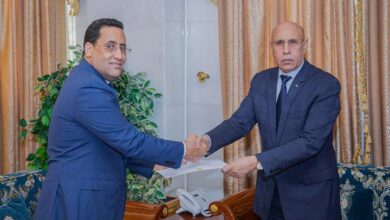
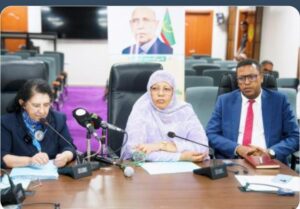
The meeting of the project’s steering committee was chaired by Food Security Commissioner Fatima Bint Khattri, alongside the Italian Ambassador Laura Botta. During the meeting, the outcomes of the completed project were presented, and the new program was introduced. According to officials, it aims to strengthen the ability of vulnerable populations to cope with food crises.
Recurring Promises… and Successive Projects
According to official statements, the new project seeks to support poor households, particularly parents of schoolchildren in rural areas, by establishing small-scale agricultural projects linked to schools. This is expected to boost food production and help reduce school dropout rates.
However, these promises—though ambitious on paper—raise a recurring question that accompanies many funded initiatives in the country: to what extent do such programs translate into tangible results on the ground?
Over the past two decades, Mauritania has witnessed the launch of dozens of internationally funded projects in food security, agriculture, and rural development. Yet, their actual impact has often remained limited, according to oversight reports and testimonies from residents of targeted areas.
A Gap Between Funding and Development
Observers note that many development projects often conclude with final reports and official evaluation meetings, while their real impact on the ground remains questionable. In many agricultural villages in central and eastern Mauritania, the same challenges persist:
Weak agricultural infrastructure
Limited irrigation resources
Fragile organization among farmers
Continued rural migration due to lack of productive opportunities
This raises concerns about monitoring mechanisms for funded projects, transparency in the use of funds, and the extent to which local communities are involved in implementing development programs.
The Need for Independent Evaluation
Launching a new project with millions of euros in funding could represent a real opportunity to improve living conditions in vulnerable areas. However, its success depends on key factors, including:
Establishing independent oversight mechanisms to track implementation
Publishing transparent reports on the use of funds
Measuring the real impact of projects after funding ends
Involving local populations in setting development priorities
Development Is Not Conferences
Ultimately, agricultural development in Mauritania requires more than launching new projects or concluding others. Rural populations do not measure success by the number of official meetings or the size of announced funding, but by improvements in their daily lives, increased production, and stability in their lands.
Until that is achieved, the same question will continue to arise with every newly funded project:
Will this program represent a genuine step toward food security, or will it join the list of projects whose achievements remain confined to official reports?