
“The War of Attrition in Mali: How Terrorism Became a Regional Threat to Sahel and West African Security”

By: Mohamed Abdarahman Ould Abdullah, Journalist, Sahel Affairs Analyst – Nouakchott, Mauritania
For more than a decade,
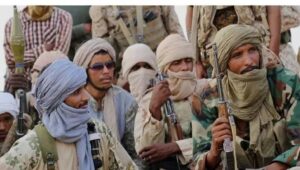
Mali has been experiencing an unconventional war led by armed groups operating across borders, turning the desert into an open battlefield and fragile towns and villages into testing grounds for state power. At the heart of this turbulent scene, jihadist armed organizations have transformed the conflict from a limited local rebellion into a regional crisis with profound security, economic, and humanitarian
consequences for the entire Sahel and West Africa.
The confrontation in Mali is no longer limited to hit-and-run attacks or skirmishes against military positions; it has evolved into a full-scale war of attrition targeting the very foundations of the state. Armed groups have adopted new strategies, including disrupting trade routes, cutting off fuel and essential goods supplies, and imposing levies on local populations, turning security into a daily survival crisis and leaving the local economy hostage to fear and instability.
From Local Rebellion to Regional Threat
The danger lies in the fact that the conflict is no longer solely a Malian domestic issue. Mali’s relatively open borders with neighboring countries—Niger, Burkina Faso, Algeria, and Mauritania—have facilitated the spread of armed groups across borders, internationalizing the security threat. With the states’ limited ability to control vast desert frontiers, the region has become an open space for arms trafficking, fuel smuggling, and other illicit activities that feed the war economy.
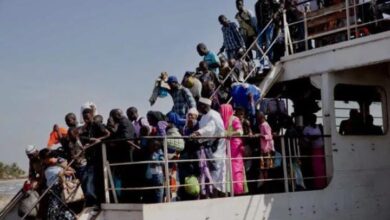
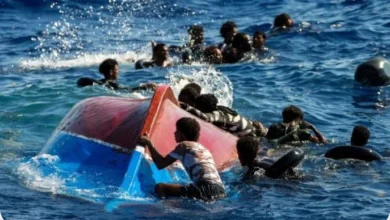
This expansion has not been limited to military dimensions; it has also affected social fabric. Armed operations and security pressures have led to mass displacement, the breakdown of traditional community ties in remote villages, and the creation of vacuums exploited by extremist groups to recruit youth under the pressures of poverty and limited opportunities.
A War on the State… and on Society
The nature of the attacks targeting infrastructure and vital routes reflects a clear desire to undermine the very concept of the state. When supply routes are cut, markets cease to operate, and transport is disrupted, it is not only the military that suffers; ordinary citizens find themselves trapped between the violence of armed groups and the state’s inability to provide security and services.
In this context, terrorism in Mali exacerbates chronic crises: poverty, institutional fragility, and declining trust between the state and society. It also opens the door for external interventions with conflicting interests, further complicating the situation and prolonging the conflict.
Implications for the Sahel and West Africa
The repercussions of Mali’s crisis go beyond its geographic borders. Instability in Mali undermines the security of all Sahelian states and increases the risk of extremist groups spreading toward the Atlantic coasts. It also threatens regional trade routes and weakens investment and development prospects in an already economically challenged region.
Where To Next?
The bigger question remains: can the cycle of violence be broken without addressing the root causes of the crisis? Security measures alone have proven limited unless accompanied by developmental policies, social reconciliation, and rebuilding trust between the state and local communities. Without these, terrorism in Mali will remain a long-term war, burning not only within its borders but also extending its flames to the security and stability of the entire region