
Weary Faces in a Country Rich with Wasted Opportunities” When Dignity Is Defeated in the Battle for Daily Survival
Mohamed Abdarahman Ould Abdallah
Journalist and Writer, Nouakchott
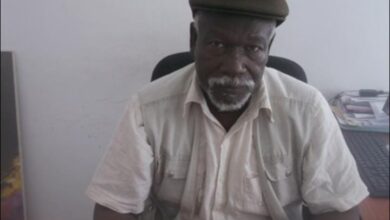
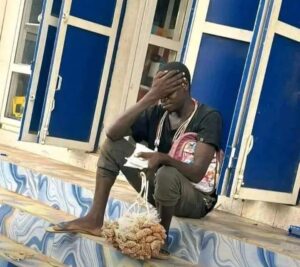
The signs of misery are visible everywhere. Sometimes tragedy needs no official statement, nor a lengthy statistical report; a single image is enough to tell the whole story. The image of a young man worn down by the harshness of life, his features exposing years of deprivation, struggling through his day with a meager meal and a fading hope. This image is not an exception in our cities and villages; it has become a daily reality for the working class—unmistakable on city streets and in the forgotten outskirts of neighborhoods.
What we see today is neither inevitable fate nor passing “bad luck,” but a direct result of mismanagement, the absence of good governance, and the spread of corruption and favoritism. When public resources are managed according to loyalties rather than merit, and when job opportunities become spoils distributed within narrow circles, poverty turns into an undeclared policy, and vulnerability becomes a destiny imposed on millions of ordinary people.
This vicious cycle feeds on a system of corruption that reproduces misery: projects are announced but never completed, budgets are allocated but never reach their intended beneficiaries, and social programs become media showcases rather than genuine solutions. Amid such dysfunction, education declines and illiteracy expands, depriving young people of the tools for social mobility and pushing them into the margins of the informal economy—where there is neither job security nor professional dignity.
The spread of poverty is not merely an income crisis; it is a crisis of justice. When poverty is coupled with favoritism, it kills hope twice: once when a young person fails to find a fair opportunity, and again when they watch the unqualified advance without merit. With each new disappointment, trust in institutions erodes, and the feeling grows that the state is disconnected from the pulse of the street, and that public policies are not designed with the needs of the most vulnerable in mind.
What is needed today is not seasonal speeches of sympathy, but courageous reforms: transparent governance, genuine accountability linked to responsibility, a firm fight against corruption, and meaningful investment directed toward creating productive jobs—especially for young people. Breaking the cycle of poverty also requires an educational revolution that restores the value of public schooling, aligns training with labor market needs, and grants children from vulnerable backgrounds a fair chance to compete.
We may raise our hands in prayer for those exhausted by circumstances, but prayer alone cannot replace the duty of the state and society to create the conditions for dignity. When a single image encapsulates the story of a weary nation, that image becomes a direct indictment of a system that produces and perpetuates poverty—and a reminder that dignity is not a favor, but a right for which policies must be designed and resources mobilized.